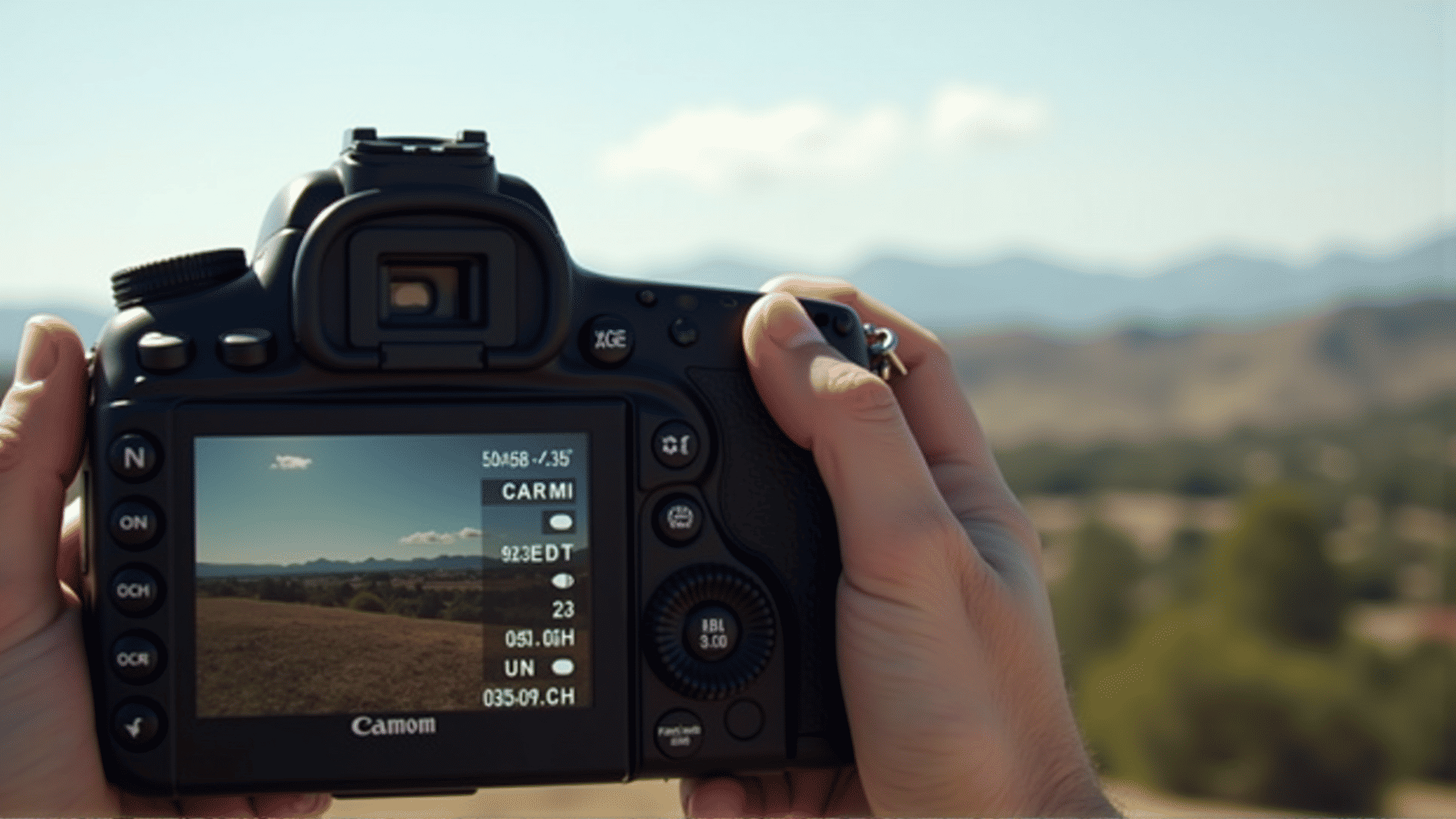
Understanding the complexities of camera settings is essential for any aspiring photographer. By mastering these settings, one can capture stunning images that truly reflect the beauty and intricacies of the environment.
Aperture
Aperture controls the amount of light entering the camera lens. Measured in f-stops, aperture affects depth of field, or the range of distance that appears sharp in a photo. A smaller f-stop value (e.g., f/2.8) allows more light to hit the sensor and creates a shallow depth of field, ideal for portraits where the subject is in focus and the background is blurred. Conversely, a larger f-stop (e.g., f/16) is appropriate for landscapes, ensuring that both the foreground and background remain sharp.
Shutter Speed
Shutter speed determines how long the camera's shutter remains open to expose the sensor to light. A fast shutter speed (e.g., 1/1000 of a second) freezes motion, making it suitable for capturing fast-moving subjects like wildlife or sports events. A slower shutter speed (e.g., 1/30 of a second) can create motion blur, useful for conveying the flow of movement in waterfalls or city streets at night. Using a tripod can aid stability when experimenting with slower shutter speeds.
ISO
ISO measures the camera's sensitivity to light. A lower ISO (e.g., 100) is preferred in bright conditions to minimize noise, leading to crisp, clear images. In contrast, a higher ISO (e.g., 3200) is useful in low-light environments but can introduce grain or digital noise. Balancing ISO with aperture and shutter speed is pivotal in achieving optimal exposure without compromising image quality.
White Balance
White balance adjusts the color temperature of your images, ensuring whites appear truly white under various lighting conditions. Settings such as Daylight, Cloudy, or Tungsten compensate for different lighting environments. Customizing white balance can enhance the mood of a photograph, adding warmth to a sunset or coolness to a snowy scene.
Focus Modes
Mastering focus modes is crucial for sharp images. Autofocus Single (AF-S) is best for stationary subjects, while Autofocus Continuous (AF-C) suits moving subjects, maintaining focus as they change position. Manual focus allows for precision and creativity, particularly in macro photography or when the camera has difficulty distinguishing subjects from the background.
Metering Modes
Metering influences how the camera evaluates the scene’s light. Matrix or Evaluative Metering considers the entire frame and is versatile for many situations. Center-weighted metering focuses on the center, useful for portraits where the subject is centrally located. Spot metering measures light in a tiny area of the frame, invaluable when dealing with challenging lighting when the subject is significantly brighter or darker than the surroundings.
Conclusion
By thoughtfully combining these settings, photographers can achieve artistic visions and enhance their storytelling ability. Experimentation and practice are key—every environment and subject offers unique challenges and opportunities for creativity. The journey to mastering camera settings is ongoing, a blend of technical knowledge and creative exploration that leads to the perfect shot.