Understanding lighting is a vital aspect of photography, capable of enhancing the mood and overall impact of your images. Mastering various lighting techniques can help tell a story, evoke emotions, and bring out the best in your subjects. Here are some essential lighting approaches to consider:
-
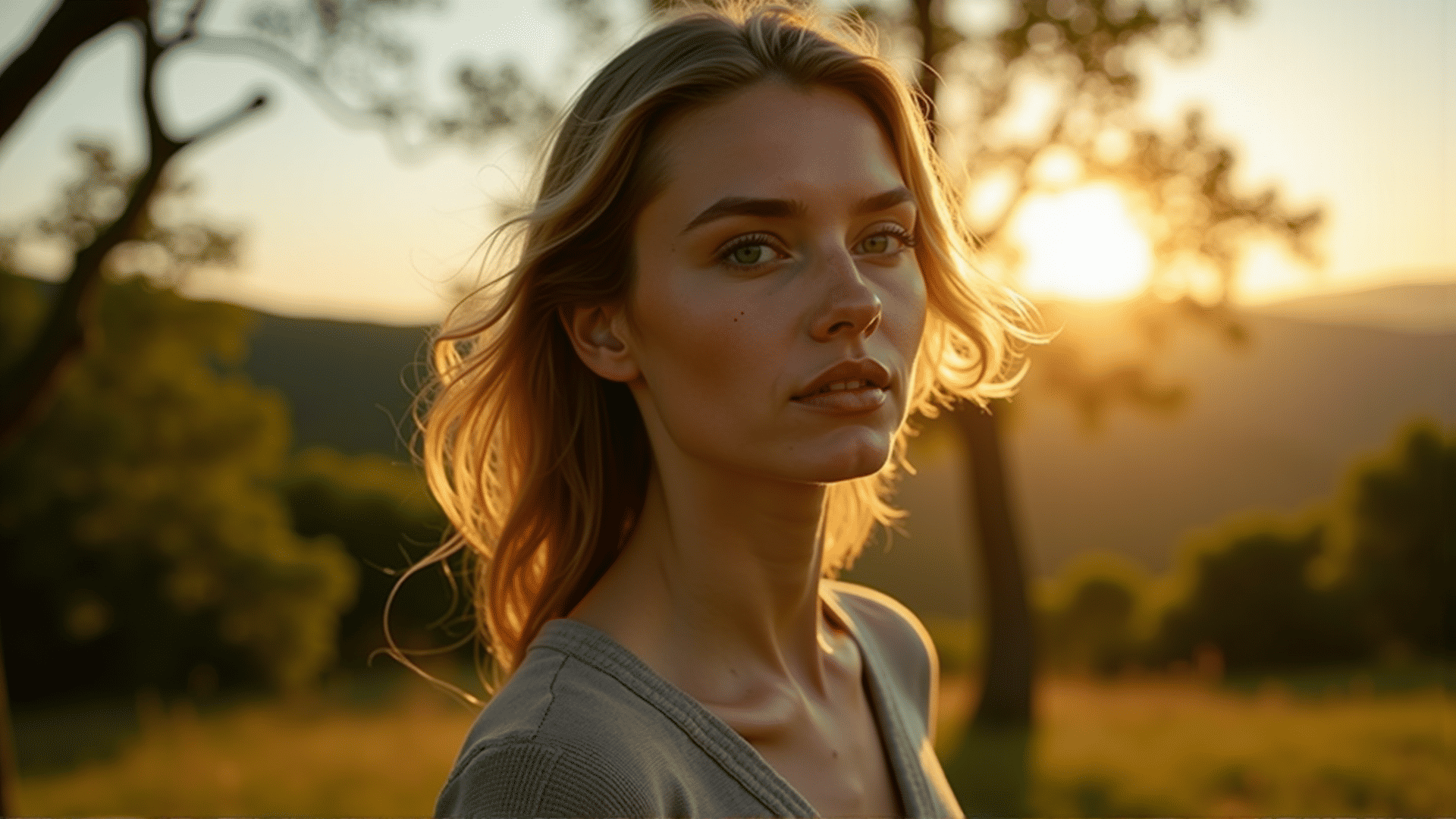
Natural Lighting: Utilizing sunlight can yield stunning and authentic photos. The golden hours, shortly after sunrise and before sunset, offer soft, diffused light that adds warmth and depth to your images. This natural source is ideal for portrait photography, landscape shots, and capturing the vibrancy of nature.
-
Artificial Lighting: When natural light is insufficient, artificial sources become crucial. Studio setups can include softboxes, umbrellas, and LED panels, providing control over light intensity and direction. Experimenting with these tools can create different moods, from dramatic shadows to even, bright illumination.
-
Backlighting: Positioning the light source behind your subject can produce striking silhouettes or halo effects. This technique is perfect for adding depth to portraits or emphasizing shapes and outlines against a contrasting background.
-
Side Lighting: Placing a light source to the side of your subject generates compelling shadows and highlights, adding texture and form. This method works well for portrait and still-life photography, creating a dynamic interplay between light and shadow.
-
Diffused Lighting: Soften harsh light by using diffusers or bouncing the light off surfaces like walls or ceilings. Diffused light avoids hard shadows and produces a more flattering effect, particularly beneficial in portrait photography.
-
High-Key and Low-Key Lighting: High-key lighting involves using bright, even illumination to eliminate shadows, resulting in a lively, cheerful atmosphere. In contrast, low-key lighting focuses on darker tones and shadows, lending a mysterious or dramatic tone to an image.
-
Reflective Techniques: Reflectors can help manage shadows and brighten subjects without introducing extra light sources. By reflecting light back into the scene, you can achieve a balanced exposure and highlight the details you wish to emphasize.
-
Experimentation and Creative Freedom: The key to mastering lighting in photography lies in continuous experimentation. Try different angles, distances, and intensities to discover unique effects that align with your artistic vision.
By understanding and practicing these techniques, photographers can harness the power of lighting to enhance their work. Every image tells a story, and light is the language that articulates it. As you grow more familiar with these techniques, you'll find endless possibilities to express your creativity and bring your photographs to life.