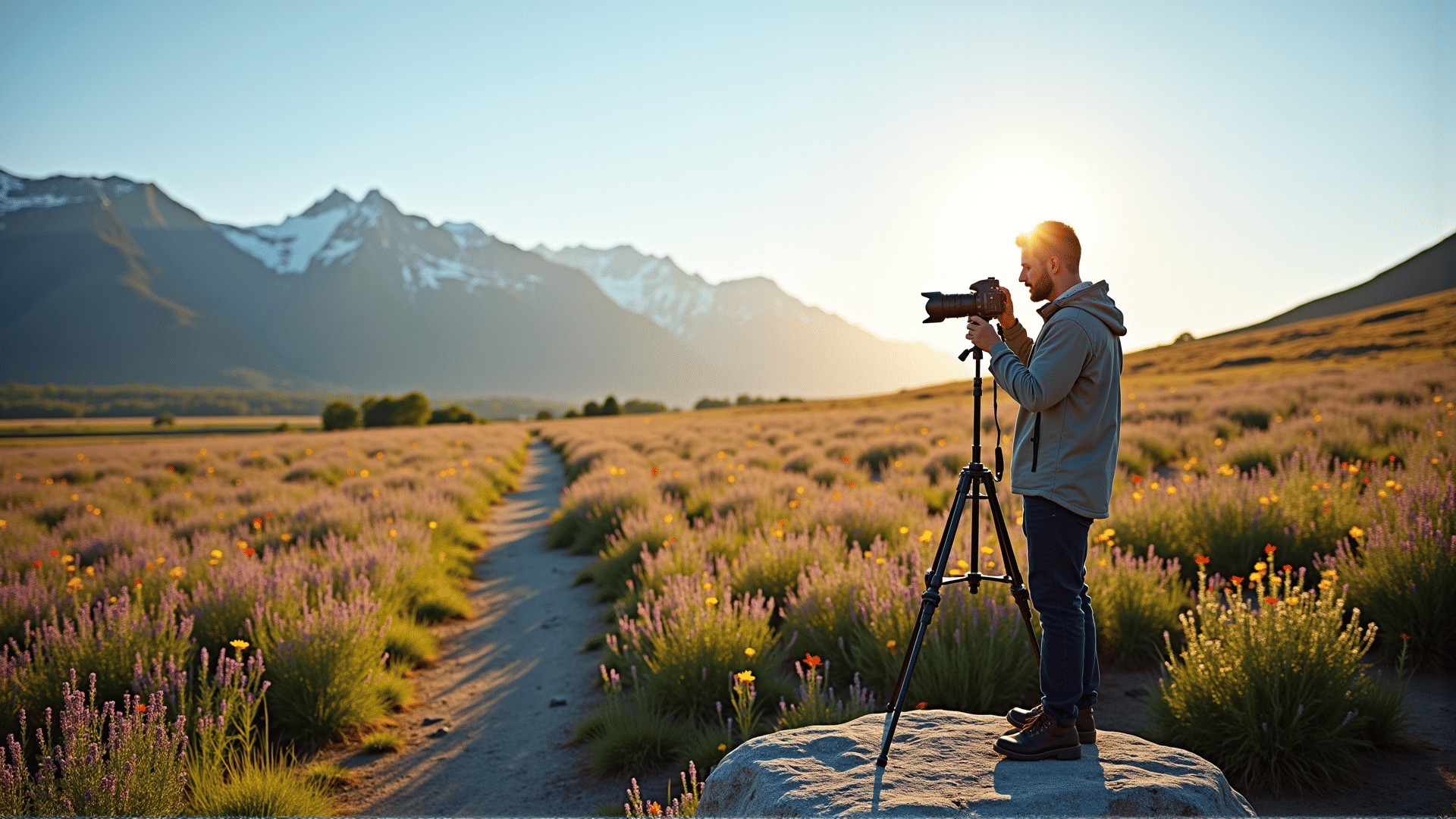
In the world of photography, the magic lies not just in capturing a moment, but in how that moment is framed and presented. Composition is a crucial element in photography that guides the viewer's eye and evokes emotion, enhancing the story being told. Creative photo composition can transform ordinary scenes into compelling visual narratives that captivate and engage.
At the heart of dynamic photo composition is an understanding of basic principles. The rule of thirds, for example, is a foundational technique where an image is divided into a 3x3 grid. By placing important elements along these lines or at their intersections, photographers can create a balanced and interesting composition. This technique helps in directing the viewer's attention and creating a sense of harmony within the frame.
Leading lines are another powerful tool in a photographer's composition toolkit. These are natural lines within the scene—such as roads, fences, or bridges—that draw the viewer’s eye towards the main subject. Leading lines can create depth and guide the viewer through the image, enhancing the sense of a journey or narrative.
The use of framing within a photo allows photographers to highlight their subject in a creative manner. This involves using elements within the shot, such as windows or archways, to create a 'frame' around the subject, focusing attention and providing context. This technique not only isolates the subject but also adds layers to the story being conveyed.
Additionally, experimenting with perspective can bring a fresh angle to photo composition. By changing the viewpoint—such as getting low to the ground or shooting from above—photographers can alter the viewer's perception and introduce a new dimension to the narrative. Unusual angles can provide a unique viewpoint of a frequently photographed subject, making it seem novel and intriguing.
Lighting also plays a pivotal role in creative composition. It can shape the mood of a photograph and highlight or shadow particular elements to guide the viewer’s eye. The golden hour, which is the period shortly after sunrise or before sunset, offers soft and warm tones that enhance the depth and warmth of an image. Exploring different lighting conditions allows photographers to add texture and emotion.
Color, too, is an essential component of an enticing composition. Vibrant hues can convey different emotions and set the overall tone of the photograph. Complementary colors can be used to create contrast and draw attention to the subject, while monochrome palettes can evoke a timeless and dramatic feel.
Focus and depth of field are techniques that can sharpen a subject while blurring the background, thereby enhancing the composition and bringing clarity to the visual story. Shallow depth of field can isolate a subject from its background, creating an appealing separation that emphasizes the main message of the photograph.
Lastly, negative space—or the area around and between subjects—can be used creatively to highlight a subject and emphasize simplicity and elegance in the composition. Allowing space in a photograph prompts the viewer to consider what is beyond the subject, adding contemplation to the visual experience.
Developing a keen eye for composition is an ongoing journey. It requires practice and experimentation to master the delicate balance between storytelling and aesthetics in photography. By manipulating elements such as lines, perspective, lighting, and color, photographers can craft compelling images that speak volumes long after they’ve been captured.