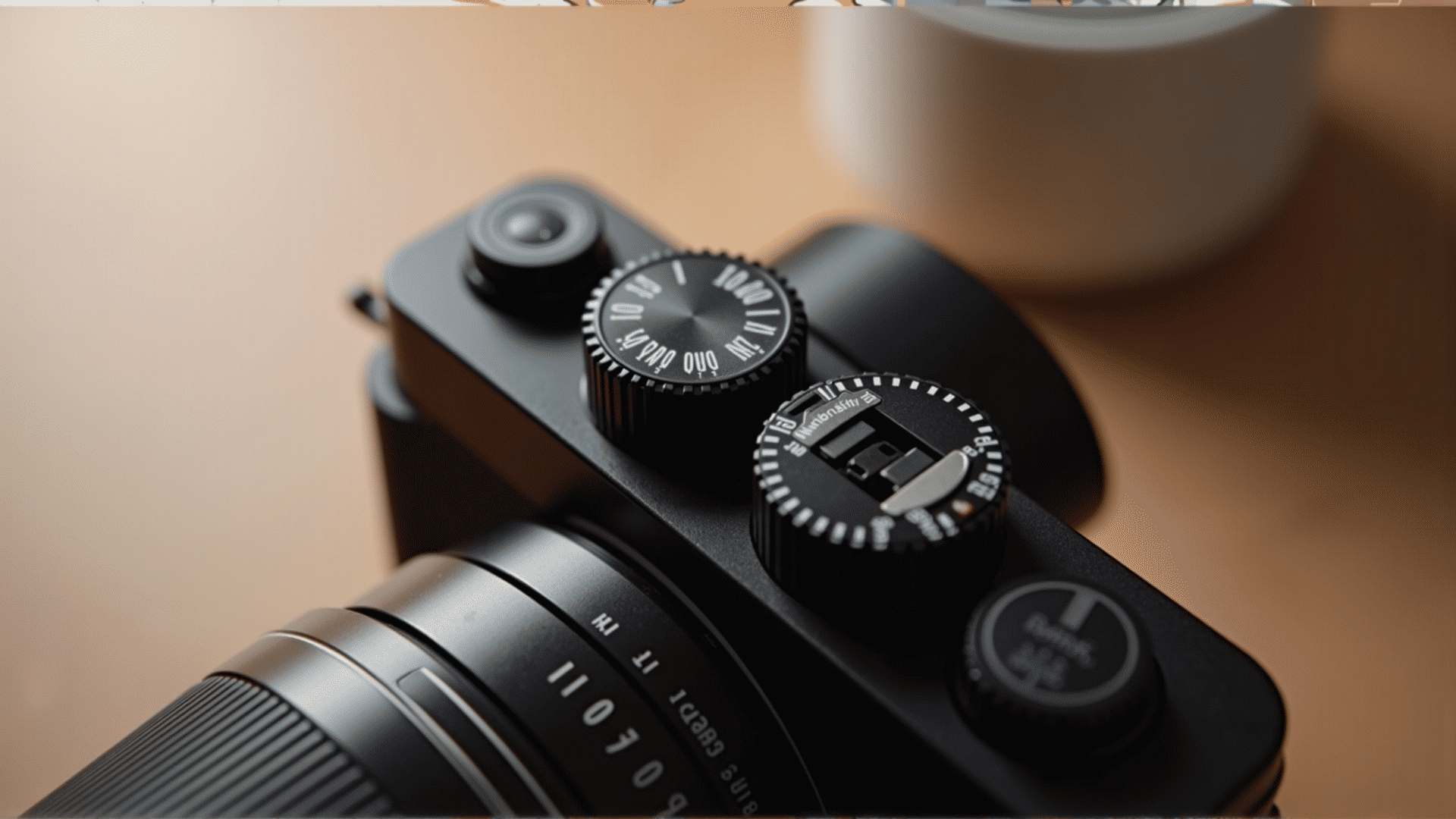
Capturing stunning photographs is an art that goes beyond simply pointing a camera and pressing a button. To truly harness the creative potential of photography, it's crucial to understand and adjust the settings that dictate how a camera records light. By mastering the interplay between ISO, shutter speed, and aperture, photographers can adapt to different scenarios and achieve the desired aesthetic results.
ISO
The ISO setting on a camera controls its sensitivity to light. In bright environments, a low ISO setting (e.g., ISO 100-200) is ideal as it allows you to capture images with richer detail and minimal noise. In contrast, low-light conditions may necessitate a higher ISO setting (e.g., ISO 800-3200) to adequately expose a scene, though this often comes at the cost of increased graininess. Balancing the ISO is crucial: too high, and your image may appear noisy; too low, and you might lose detail in darker areas.
Shutter Speed
Shutter speed dictates how long the camera's shutter remains open to allow light onto the sensor. A fast shutter speed (e.g., 1/1000th of a second) is perfect for freezing rapid motion, useful in sports or wildlife photography. Conversely, a slow shutter speed (e.g., 1/30th of a second or slower) can be used creatively to blur motion, such as capturing the ethereal flow of moving water in a landscape shot. Photographers should be cautious of camera shake, which can introduce unintended blur. Using a tripod is recommended when working with slower shutter speeds to maintain clarity.
Aperture
The aperture controls the size of the lens opening, directly affecting the depth of field and light exposure in your photo. It is measured in f-stops, such as f/1.8, f/8, or f/16. A smaller f-stop (e.g., f/1.8) yields a larger opening, which allows more light in and creates a shallow depth of field, perfect for portraits where the background is artistically blurred. A larger f-stop (e.g., f/16) creates a smaller opening, producing a deeper depth of field that keeps more of the scene in focus, ideal for landscape photography.
Balancing the Trio
Achieving the desired photograph involves balancing ISO, shutter speed, and aperture — often referred to as the "exposure triangle." Each setting influences the others; a change in one requires adjustments in the others to maintain proper exposure. For example, increasing the ISO allows for faster shutter speeds or smaller apertures in low-light scenarios. Similarly, widening the aperture to allow more light might let you use a faster shutter speed, thus minimizing motion blur.
Adapting to Different Styles
Portrait photography often benefits from a wide aperture to focus on the subject while softly blurring the background. Street or documentary photography might require flexibility with ISO and shutter speed to quickly adapt to changing lighting conditions. Landscape photographers, on the other hand, may prioritize a narrow aperture for the maximum depth of field while adjusting ISO and shutter speed to retain sharpness and detail.
Conclusion
Mastering these settings allows photographers to creatively express their vision while adapting to varied lighting and environmental conditions. By continually practicing and experimenting with ISO, shutter speed, and aperture, you can refine your craft and develop your distinctive style, whether it's capturing the intricate details of a cityscape or the intimate expression of a portrait subject.