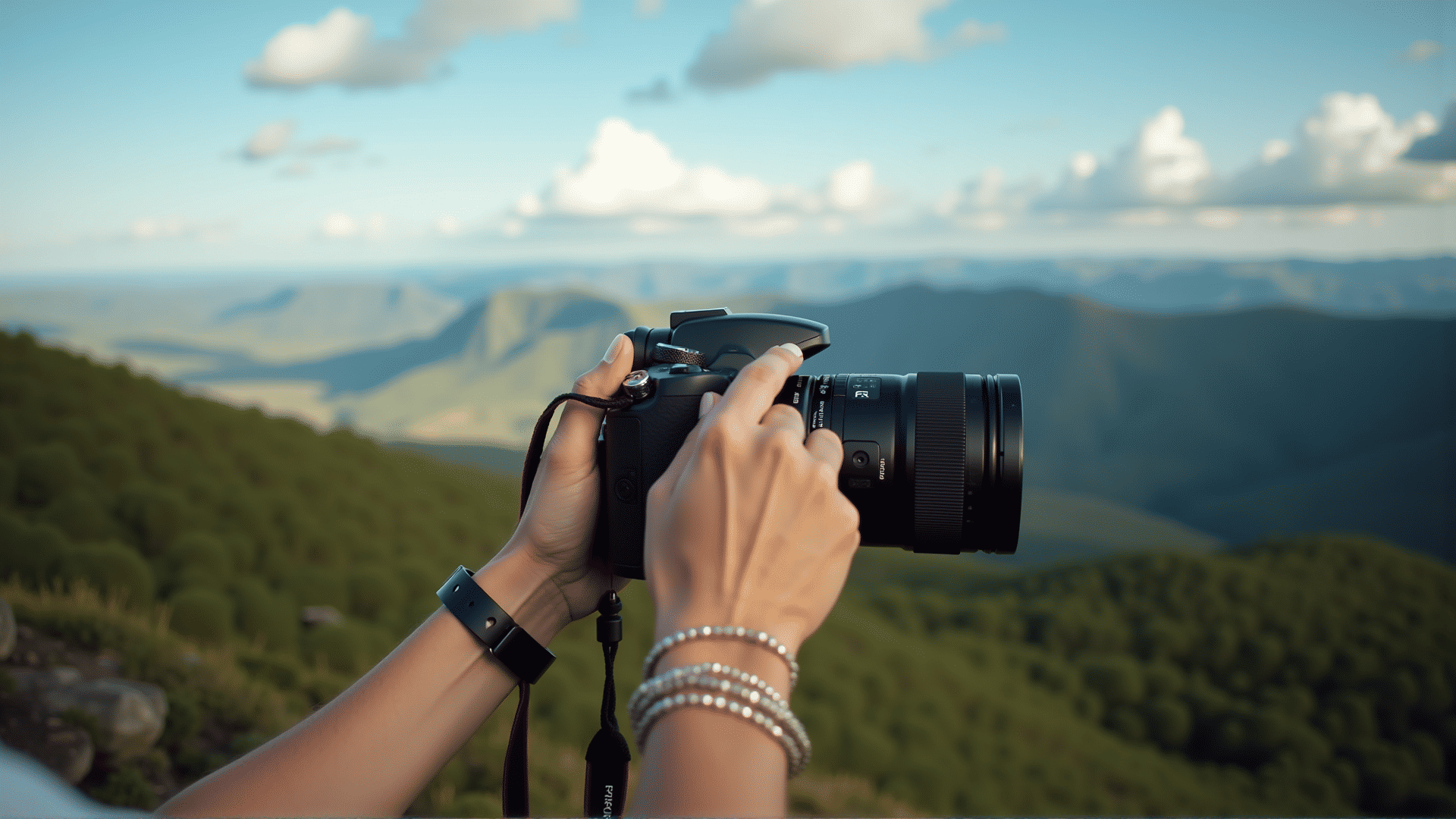
Embarking on the journey of capturing compelling images involves more than simply pressing a button on a camera. Whether you're an amateur or a seasoned photographer, mastering various techniques can significantly elevate the quality of your work. Here, we explore some essential practices and creative strategies to enhance your photography skills.
Understanding Exposure
At the heart of photography lies the exposure triangle, encompassing aperture, shutter speed, and ISO. Balancing these three elements is crucial for achieving the desired brightness and mood of your image. Aperture controls the depth of field, allowing for a stunning background blur while keeping your subject sharp. Shutter speed affects motion capture, enabling you to freeze action or convey movement. ISO determines the camera's sensitivity to light, impacting image noise and clarity. Experimenting with each of these settings can offer a deeper understanding of how they contribute to the overall exposure.
Composition Techniques
A strong composition can transform a good photograph into a great one. Consider the rule of thirds, which involves dividing your frame into nine equal parts using two horizontal and two vertical lines. Positioning key elements along these lines or their intersections can create balanced and engaging images. Leading lines guide the viewer’s eye through the photograph, adding depth and interest. Additionally, utilizing natural and artificial frames, such as windows or archways, can draw attention to your subject, enhancing the visual narrative.
Light and Shadow Play
Harnessing the power of light can elevate your photography to new heights. Golden hour—the first hour after sunrise and the last hour before sunset—offers soft, warm tones and long shadows that add dimension to your images. On the other hand, midday sun can create harsh shadows, which you can creatively utilize for dramatic effects. Understanding how to work with available light or manipulating it with external sources like reflectors and diffusers is instrumental in shaping the mood of your photograph.
Post-Processing
Even the most skillful photographers enhance their work through post-processing. Software like Adobe Lightroom allows for adjustments in exposure, contrast, and color balance, helping you refine your images while staying true to their original spirit. Post-processing can also aid in correcting lens distortions or enhancing specific elements in your composition. It's an art form in itself, enabling photographers to add a personal touch to their work.
Developing Your Style
As you practice and learn, your distinctive style will gradually emerge. Experimenting with different genres—be it portrait, landscape, macro, or street photography—can help in discovering what resonates with you. Pay attention to the elements that consistently catch your eye, and incorporate them into your work. Over time, these preferences will shape a unique photographic identity that others can recognize and appreciate.
Mastering photography involves continuous learning and creative exploration. By understanding technical fundamentals and experimenting with artistic concepts, you can create compelling images that resonate with viewers and express your unique vision.